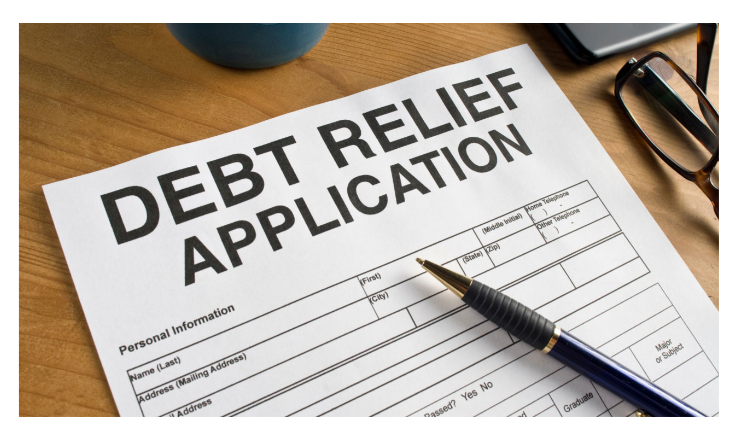
Debt can sneak up on you slowly — a missed payment here, an unexpected bill there — until suddenly you’re staring at a number that feels impossible to pay off. When your income is low, your assets are minimal, and the pressure from creditors is growing, it’s easy to feel trapped.
If this sounds familiar, you may be wondering how to get debt relief order to give yourself a fresh start. A Debt Relief Order (DRO) is designed for exactly these situations — when you simply can’t afford to pay back what you owe, and you need a legal, affordable way to clear your debts.
In this guide, I’m going to walk you through how to get debt relief order approval, step-by-step. I’ll also cover eligibility, benefits, drawbacks, and real stories of people who used it to wipe the slate clean.
What Is a Debt Relief Order?
A Debt Relief Order is a formal legal process in England, Wales, and Northern Ireland that freezes your debts for 12 months. If your financial situation doesn’t improve in that time, the debts included in the DRO are written off completely.
It’s specifically for people who:
- Have low income (less than £75 spare each month)
- Have few or no assets (less than £2,000 total, plus a car under £2,000 in value)
- Owe less than £30,000 in unsecured debt
If you meet these criteria, learning how to get debt relief order could be one of the most important financial steps you ever take.
Why Consider a DRO?
The main reason people want to know how to get debt relief order is simple: it offers protection from creditors and a clear route to becoming debt-free within a year.
Once your DRO is approved:
- Creditors can’t contact you for payment.
- They can’t take legal action against you.
- They can’t send bailiffs to collect money or goods.
It’s like pressing a pause button on your debt, but with the possibility of wiping it out entirely after 12 months.
Step-by-Step: How to Get Debt Relief Order

If you’re serious about finding out how to get debt relief order, here’s the full process from start to finish:
1. Check Your Eligibility
Before you do anything else, make sure you meet all the requirements:
- Debts under £30,000
- Disposable income under £75 a month
- Assets under £2,000
- Not a homeowner
- No DRO in the past 6 years
If you own property, have high-value assets, or earn more than the limit, you’ll need to consider other debt solutions.
2. Contact an Approved Intermediary
You cannot apply for a DRO by yourself. You must go through an authorised adviser such as:
- StepChange Debt Charity
- Citizens Advice
- National Debtline
They’ll look at your finances, explain how to get debt relief order in your exact situation, and help you prepare your application.
3. Gather Your Financial Information
Your intermediary will need:
- A list of all your debts and creditors
- Bank statements
- Wage slips or benefits letters
- Details of any assets you own
- Proof of identity and address
The more accurate you are, the smoother the process will be.
4. Complete the Application
Your intermediary will fill in the application with you and submit it to the Official Receiver (part of the Insolvency Service). You’ll review everything before it’s sent to ensure accuracy.
5. Pay the Fee
The DRO fee is £90 in England and Wales (slightly different in Northern Ireland). You can pay it in instalments before your application is submitted.
6. Wait for Approval
The Official Receiver will review your application. If everything meets the criteria, your DRO will be approved, and the 12-month protection period will begin.
7. Complete the DRO Period
During this 12-month period:
- You don’t make payments to included debts.
- Creditors cannot chase you.
- You must inform the Official Receiver if your finances improve significantly.
After 12 months, your debts are written off unless your situation has improved enough to pay them.
Technical Features & Benefits of a DRO
| Feature | Benefit |
|---|---|
| Low Cost | At £90, it’s far cheaper than bankruptcy. |
| Debt Freeze | Stops all creditor contact and legal action. |
| Debt Write-Off | Erases debts after 12 months if your situation hasn’t improved. |
| No Court | Entire process handled through an intermediary online. |
| Fresh Start | Once complete, you can rebuild your financial life. |
| Bailiff Protection | No visits from bailiffs for included debts. |
Pros and Cons of a Debt Relief Order
✅ Pros
- Affordable debt solution.
- Stops creditor harassment.
- Debt written off in a year.
- No court appearances.
- Suitable for people with very low income and assets.
❌ Cons
- Stays on your credit file for 6 years.
- Strict eligibility rules.
- Not available if you own property.
- Some debts (like student loans, fines, child maintenance) aren’t included.
- Fee is non-refundable even if refused.
Real-Life Examples of How to Get Debt Relief Order
Example 1 – Maria, Single Parent
Maria had £15,000 in credit cards and utility bills. With only £50 a month spare, she couldn’t keep up. A Citizens Advice adviser explained how to get debt relief order and helped her apply. A year later, she was debt-free.
Example 2 – James, Unemployed After Illness
James owed £20,000 in personal loans after losing his job due to illness. StepChange guided him through how to get debt relief order approval. He paid the £90 fee in instalments and had all debts written off after 12 months.
Example 3 – David, Low-Income Worker
David earned just enough to cover rent and food but had £12,000 in credit card debt. His intermediary handled everything, and knowing how to get debt relief order saved him from constant creditor calls.
FAQ – How to Get Debt Relief Order
Q: Can I apply for a DRO online by myself?
No, you must go through an approved intermediary.
Q: Will it ruin my credit score?
Yes, it stays on your credit file for 6 years, but you can start rebuilding after it ends.
Q: Can I include all debts?
Most unsecured debts are included, but not student loans, fines, or child maintenance.
Q: Can I keep my car?
Yes, if it’s worth under £2,000.
Q: What happens if my income increases during the DRO?
You must inform the Official Receiver. They may cancel your DRO if you can now pay your debts.
Final Thoughts
If you have low income, few assets, and debts under £30,000, knowing how to get debt relief order could be life-changing. It’s a cost-effective way to stop creditor action, clear your debts within 12 months, and start fresh.
The key is to speak to a qualified intermediary, be honest about your finances, and understand the impact on your credit. For many, the relief of being free from unmanageable debt outweighs the temporary mark on their credit history.