🔍 Breaking It Down: Why DMARC Is More Than Just a Record
Let’s be real: most businesses don’t wake up thinking about DNS records or authentication protocols. DMARC may sound technical (and it is), but its impact is deeply human — it’s about trust. When your customer receives an email from your brand, they expect it to be authentic. They trust the name in the “From” field. Without DMARC, that trust is up for grabs.
Email phishing doesn’t just target tech giants or governments anymore. Today, even a small coffee shop using a third-party mailing list tool could be impersonated — leading to data breaches, fake offers, or even payment scams. The cost? Broken trust, lost revenue, and damaged brand identity.
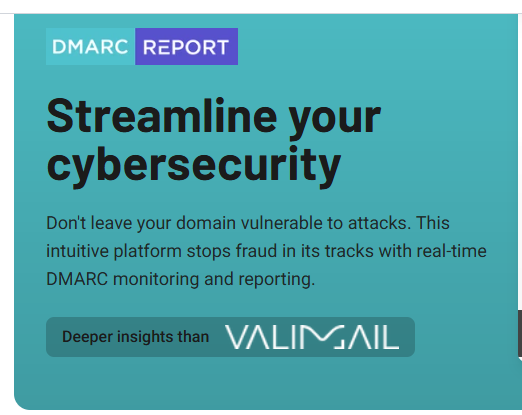
DMARC software bridges the gap between cybersecurity and brand communication. It gives marketers, IT teams, and founders peace of mind — knowing that their domain can’t be used against them.
🧠 Let’s Talk About Learning Curve (It’s Not That Bad)
One reason people hesitate to implement DMARC is the myth of complexity. Terms like SPF alignment and DKIM cryptographic signatures can sound intimidating. But modern DMARC platforms have made it refreshingly simple.
For example, EasyDMARC and DMARCian walk you through step-by-step wizards to set up your records. You don’t need to be a DNS expert. You plug in your domain, they guide you to publish your records, and you’re live — all in under 30 minutes.
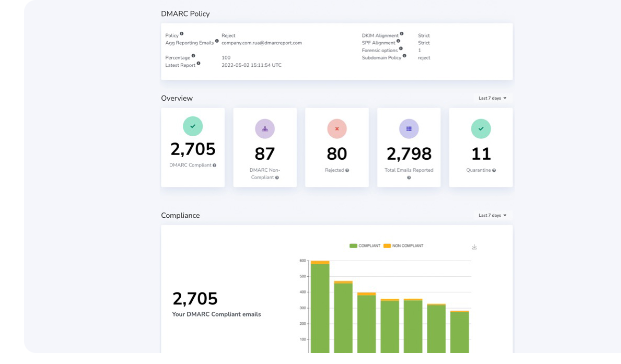
And the dashboards? Think less “hacker terminal” and more “Google Analytics for email threats.” You get beautiful charts showing who’s pretending to be you, what IPs they’re using, and whether your mail is passing or failing.
🧪 DMARC in Action: A Small Business Story
Let’s say you run a boutique eCommerce business called Luna & Loom, selling handmade textiles. You send marketing emails using Mailchimp and order confirmations via Shopify. Everything seems fine — until a customer reports a suspicious email asking for payment details.
That email? It didn’t come from you. Someone spoofed your domain using a hacked server overseas. If you had DMARC set to reject, that email would never have reached your customer. That’s the power of DMARC: it gives you control over your identity in the inbox.
Luna & Loom’s owner then installs DMARC software, sets the policy to monitor, sees Mailchimp is correctly authenticated, and identifies a rogue IP sending fakes. Two clicks later, she moves to a quarantine policy, blocking fakes from inboxes. Her brand is safe, her customers are confident, and she sleeps a little easier.
🌐 DMARC & The Bigger Picture of Email Ecosystem
DMARC isn’t a siloed fix — it plays a central role in the email authentication ecosystem. Here’s how:
- SPF defines which IPs are allowed to send on behalf of your domain.
- DKIM ensures your emails are cryptographically signed.
- DMARC ties it all together and tells the world: “If someone breaks these rules, here’s what to do.”
And then there’s BIMI (Brand Indicators for Message Identification), a newer protocol that displays your brand logo in inboxes — but it only works if DMARC is enforced. So, think of DMARC as a passport. Without it, you don’t get to flash your logo proudly in Gmail or Outlook.
📈 The ROI of Email Security
Most businesses think of security as a cost center. But DMARC has a measurable ROI:
- Increase in email open rates – because inboxes trust you.
- Fewer customer complaints – because phishing attempts drop.
- More successful marketing campaigns – because you’re not getting filtered as spam.
- Stronger brand image – because people know you take security seriously.
And if you’re working in a high-risk industry like fintech, insurance, or healthcare, a single spoofed email could cost you far more than a yearly DMARC subscription.
⚙️ How to Choose the Right DMARC Software
Here’s a little checklist to keep it simple:
| Feature | Must-Have? |
|---|---|
| Auto DMARC record generation | ✅ Yes |
| Visualized email threat maps | ✅ Yes |
| SPF/DKIM configuration help | ✅ Yes |
| Support for multiple domains | ✅ Yes |
| Real-time spoofing alerts | ✅ Yes |
| DNS hosting integration | ✅ Helpful |
| BIMI readiness tools | ✅ Optional |
If you’re a one-person business with a single domain, start small — even a free plan with weekly reports is better than nothing. If you manage multiple domains, clients, or deal with sensitive data, go for a full-stack platform with automation and integrations.
🚀 Final Words: Why You Should Act Now
If you’ve read this far, there’s a good chance you understand the stakes. Email spoofing isn’t science fiction — it’s happening every single day, in every country, across every industry. The good news is that DMARC gives you the power to fight back.
Whether you’re running a SaaS company, a growing Shopify store, or a digital agency, protecting your domain with DMARC software is one of the smartest, most future-proof decisions you can make this year.
✅ It’s easy to implement.
✅ It strengthens customer trust.
✅ And it shows you care about more than just selling — you care about protecting.